
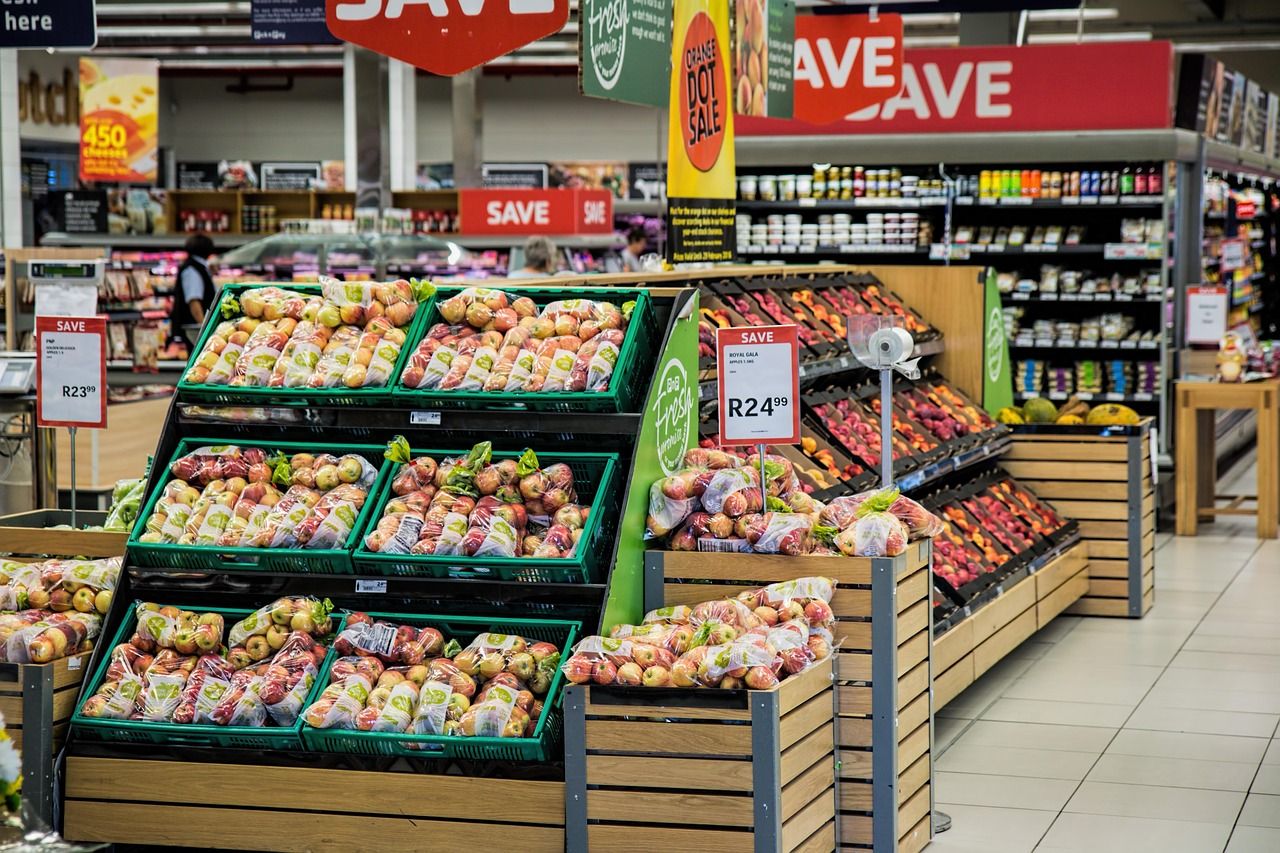
Most grocery advice is coupon theater. Clip this, stack that, drive to three stores to save four dollars. This list is different. Items one through four are habits that compound every single week. Items five through nine are programs, real money from programs your taxes already fund, and the numbers on those are not measured in cents.
And number eight is the strangest one. It is a federal program with a name so bureaucratic that almost nobody has heard of it, it sends a free box of food every month, and fewer than a million people in the entire country use it. We will get there.
1 Build the list from the flyer, not from memory
Grocery stores price a handful of items at a loss every week to pull you in. Chicken thighs one week, ground beef the next. The game is simple: let the sale decide the menu instead of deciding the menu and paying whatever it costs. Plan three or four dinners around whatever protein is the loss leader, and you quietly cut the most expensive part of the cart.
Check your store’s digital flyer before you write the list, not after. Menu follows sale, never the reverse.
2 Switch to store brands on staples
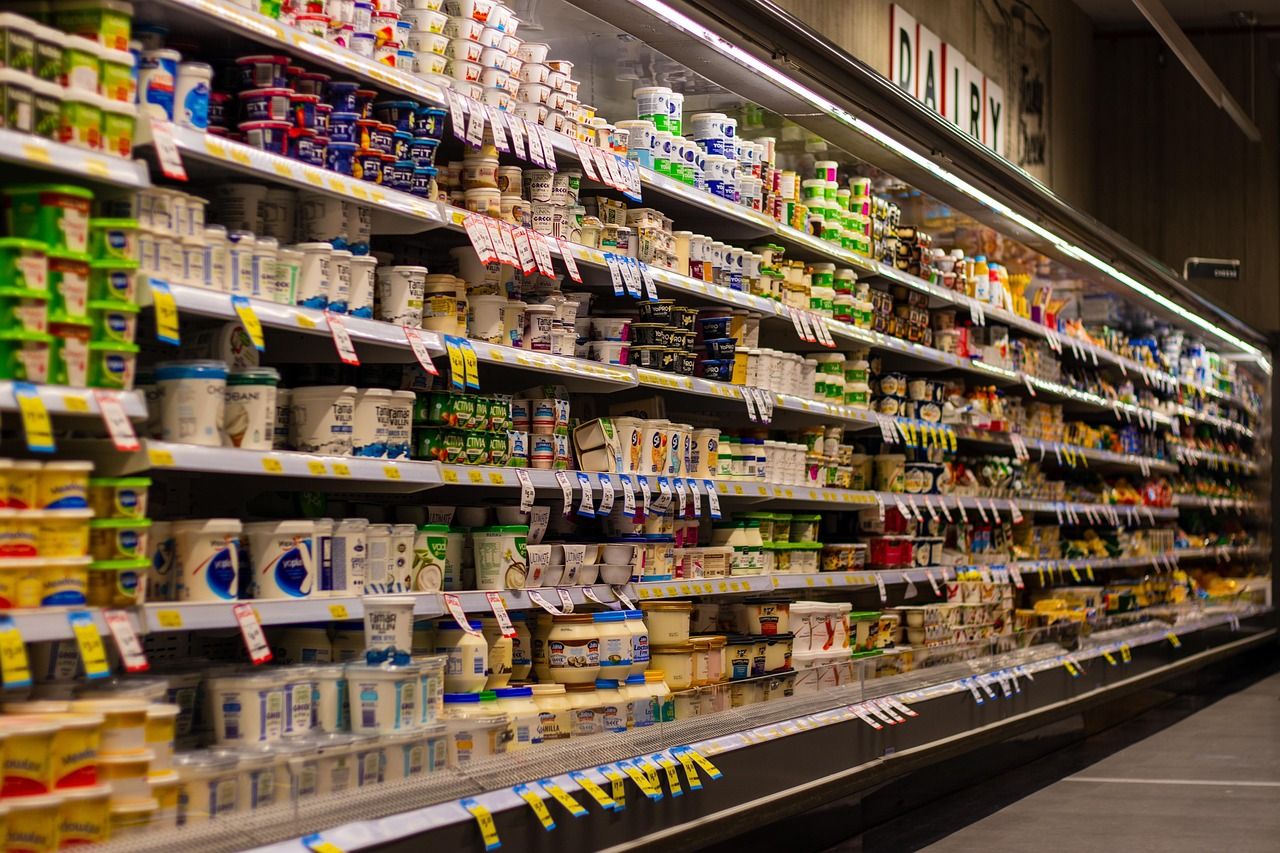
Consumer Reports has run blind taste tests on this for years and found store brands routinely cost about 25 percent less than the name brand next to them, with testers often unable to tell the difference (Consumer Reports). On some items the gap is much wider than 25 percent. Flour, sugar, canned tomatoes, and butter are commodity products. The recipe on the back of the bag does not know what the front of the bag says.
Swap ten staples to the store brand for one month. Keep the swaps you cannot taste. Most people keep almost all of them.
3 Read the unit price, ignore the sticker price
The big number on the shelf tag is designed to be compared last. The small number, price per ounce or per count, is the only honest one. The “family size” box is sometimes more expensive per ounce than two regular boxes. The sale item is sometimes worse per unit than the everyday price one shelf down. Stores count on you not doing the division, which is why they already did it for you in six point font.
For one full shopping trip, buy strictly by unit price. It adds maybe five minutes and permanently recalibrates what you grab on autopilot.
4 Stop buying food you already throw away
Here is the number that should sting. The EPA puts the cost of wasted food at about $728 per person per year, which works out to roughly $2,913 a year for a family of four, about $56 every single week (EPA). That is not a rounding error. For a lot of households that is an entire extra week of groceries every month, purchased and then scraped into the trash.
Before you shop, spend two minutes listing what is already in the fridge that will die this week, and build one dinner around it. One “eat the fridge” night per week claws back a real chunk of that $56.
5 Check SNAP even if you assume the answer is no
This is where the list changes gears, because the biggest grocery discounts in America are not on the shelf. SNAP, the modern food stamp program, pays up to $994 a month toward groceries for a family of four in the lower 48 as of fiscal year 2026, and the average participant receives about $202 a month (USDA, USDA FY2026 budget). The part people get wrong is the cutoff. A family of four can gross up to $3,483 a month, about $41,800 a year, and still qualify under the standard federal limit. That reaches well into two-job working households.
Do not guess. Run the free Benefit Bull check and see the actual dollar range for your household size and income. Five minutes.
6 Double your produce money at the farmers market
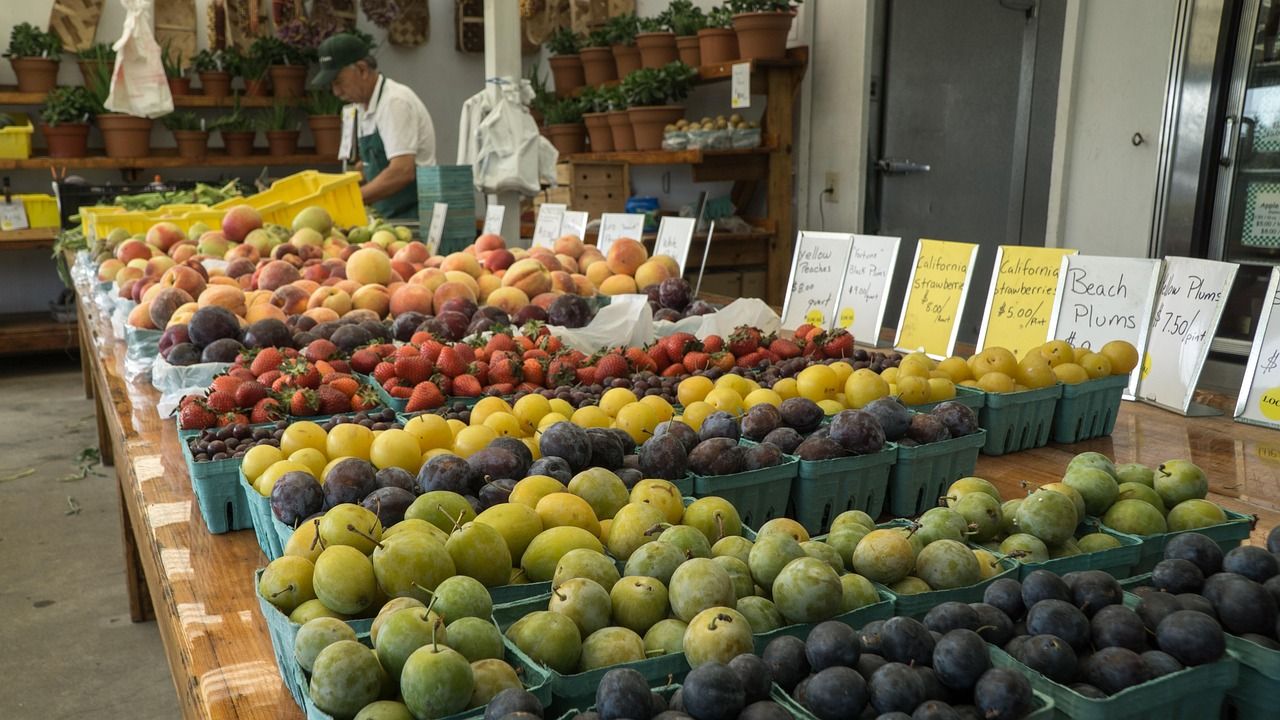
If you receive SNAP, a program called Double Up Food Bucks matches what you spend on fruits and vegetables dollar for dollar at participating farmers markets and grocery stores in most states (Double Up America). Spend $20 of SNAP on produce, walk away with $40 of buying power. Daily caps vary by state, usually somewhere between $20 and $40, and there is no extra application. Your EBT card is the ticket.
Search “Double Up Food Bucks” plus your state, find the nearest participating location, and route your produce spending through it.
7 If you are pregnant or have kids under five, look at WIC
WIC covers specific grocery staples, formula, produce, dairy, whole grains, for pregnant women and children under five. And it is dramatically underused. USDA’s own analysis found only 56.1 percent of eligible people participated in 2023, and among families already on SNAP who also qualified for WIC, only 57.6 percent used it (USDA). Read that again. Nearly half the families already enrolled in one food program are leaving a second one on the table.
If there is a pregnancy or a child under five in the house, treat WIC as unfinished business until you have an official yes or no.
8 The strange one: CSFP, a free monthly food box for seniors
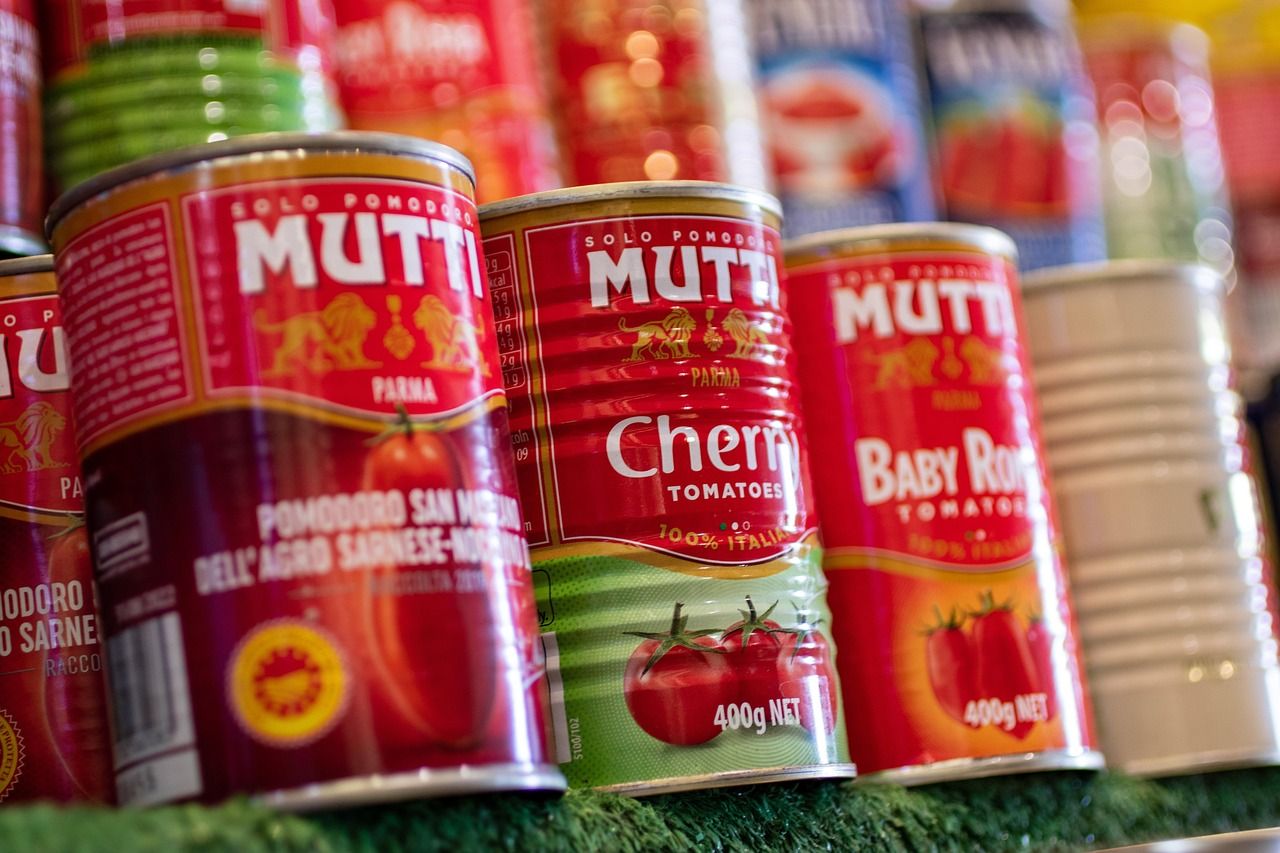
The Commodity Supplemental Food Program. Nobody outside a food bank has ever said that name out loud, which is a big part of why only about 732,000 seniors used it in 2024 (Feeding America). Here is what it actually is: if you are 60 or older and your income is at or below 150 percent of the federal poverty line, USDA sends you a free box of groceries every month, cheese, canned fruit and vegetables, protein, cereal, shelf-stable milk (USDA). Retail value runs around $50 a month, which is $600 a year of groceries for filling out one form at a local food bank or agency.
Two things people get wrong about CSFP. First, it stacks with SNAP. You can receive both at the same time, no penalty. Second, the income line is higher than people assume. For a single senior, 150 percent of the poverty line is $1,995 a month in 2026, just under $24,000 a year. A lot of people living on Social Security alone clear that bar easily.
If you are over 60, or your parent is, run the free check or call your area food bank and ask for the senior box program. It takes minutes and it repeats every month, forever.
9 Claim SUN Bucks for every kid, every summer
School meals stop in June. Grocery bills do not. Summer EBT, branded SUN Bucks, loads $120 per eligible child onto an EBT card each summer to cover the gap (USDA). If your kids get free or reduced school meals, or your household is on SNAP or Medicaid in most states, they usually qualify automatically. Two kids, $240 a summer, and in many states it loads without you lifting a finger. The catch: not every state participates, so it is worth confirming yours does.
Search “SUN Bucks” plus your state each spring. If you qualify automatically, make sure your address is current with the state so the card actually reaches you.
10 Shop your pantry before you shop the store
The cheapest groceries you will buy this week are the ones you already bought. Every kitchen accumulates a shadow inventory, the half bag of rice, the three cans of beans, the frozen chicken from a sale two months ago. Skipping one normal shopping trip a month and cooking down that inventory is worth more than almost any coupon strategy, and it resets number four at the same time, because the stuff gets eaten instead of expiring.
Once a month, declare a pantry week. Buy only fresh essentials, milk, eggs, produce, and force the menu to come from what is already in the house.
What this adds up to
Items one through four and ten are habits. Stack them and trimming 15 to 25 percent off what you pay at the register is realistic, with the food waste number alone worth up to $56 a week. Items five through nine are not percentage games. SNAP is up to $994 a month for a family of four. CSFP is $600 a year in senior food boxes. SUN Bucks is $120 per child. Double Up doubles your produce money. These are checks, not tips.
The pattern across every program on this list is the same one we see everywhere: the money exists, the people it exists for never hear about it, and the application takes less time than people spend deciding not to apply. The five minute check is free, and what you do with the results is up to you.
Sources
Every claim above links to the source it came from. Figures checked August 2026.
- USDA Food and Nutrition Service, SNAP Fiscal Year 2026 Cost of Living Adjustments
- USDA, Fiscal Year 2026 Congressional Justification, Food and Nutrition Service
- USDA Food and Nutrition Service, Commodity Supplemental Food Program Fact Sheet
- Feeding America, CSFP Fact Sheet (retail value and caseload)
- USDA, Summer EBT (SUN Bucks) Program Page
- USDA, WIC Eligibility and Program Reach Estimates 2023
- U.S. EPA, Estimating the Cost of Food Waste to American Consumers
- Consumer Reports, Store Brand vs Name Brand Taste-Off
- Double Up Food Bucks America (SNAP produce matching)