

Most advice about utility bills is either obvious (use less energy, thanks) or useless outside one state. This list is neither. Each item below either has a Department of Energy number behind it or is a program your own utility already runs and simply does not advertise very loudly.
One more thing before we start. The single biggest line item on this list, number six, is the one people skip because they assume it does not apply to them. The government’s own data says most people who assume that are wrong. Hold that thought.
1 Set your thermostat back when nobody needs it
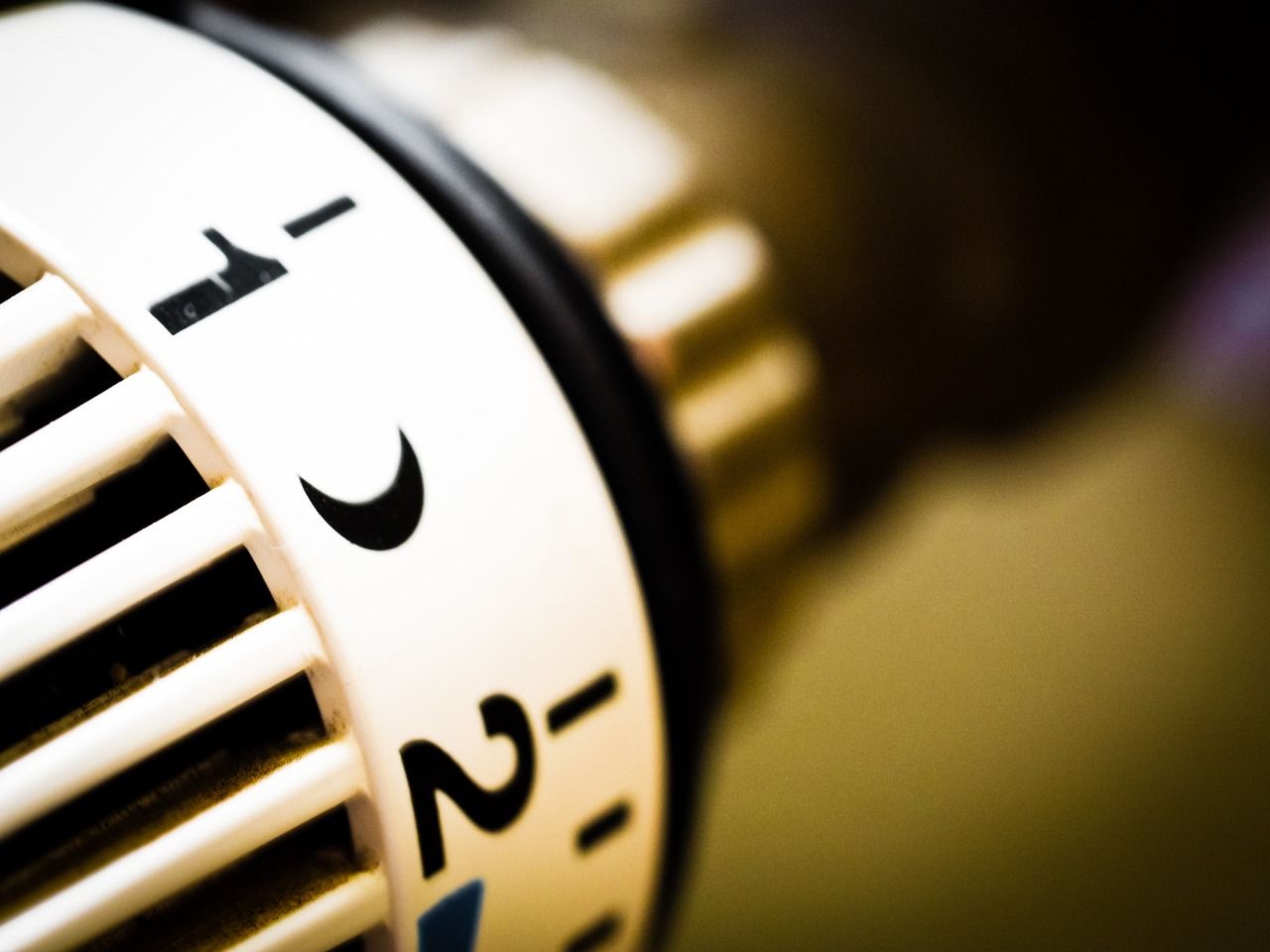
The Department of Energy says you can save up to 10 percent a year on heating and cooling by turning your thermostat back 7 to 10 degrees for 8 hours a day (energy.gov). That is the overnight window, or the hours everyone is at work and school. You are not giving up comfort. You are refusing to heat an empty house.
Set it back before bed and before you leave. A basic programmable thermostat does this for you and often costs under $30.
2 Kill the electronics that never sleep
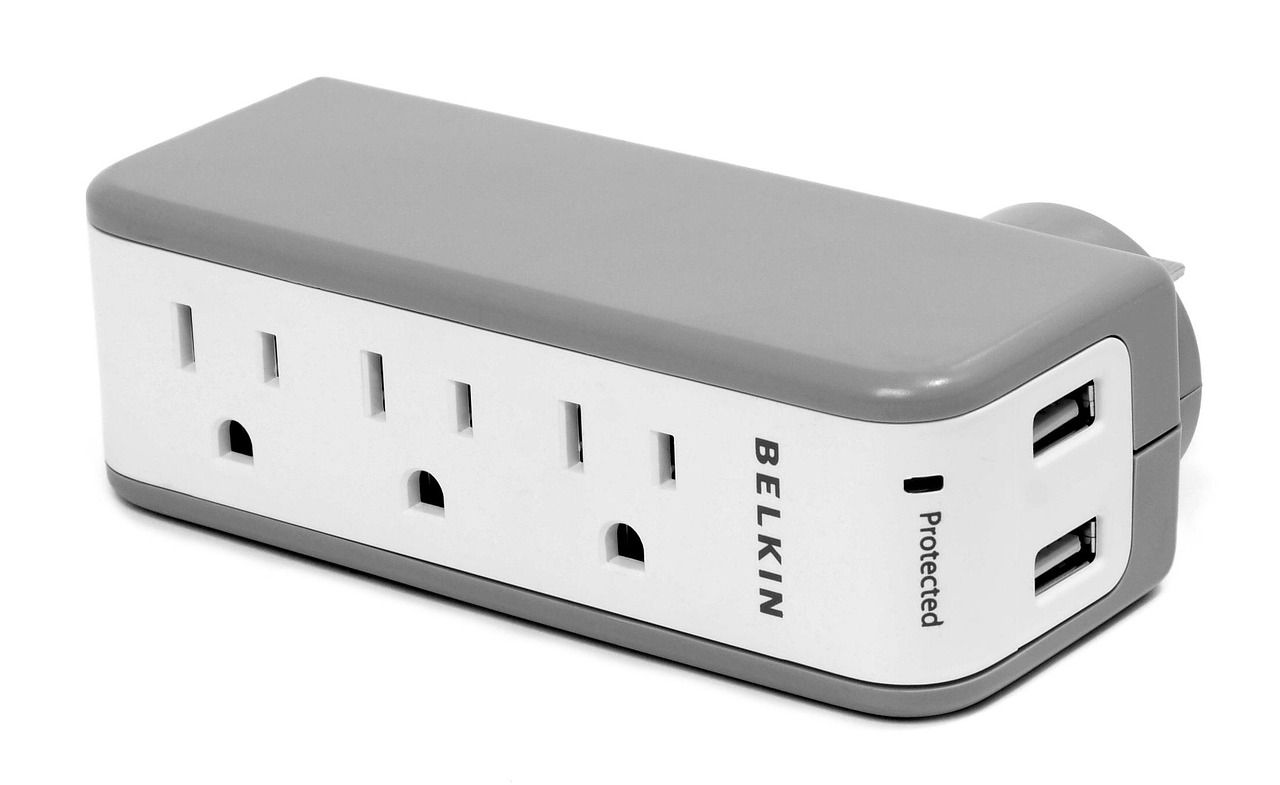
Your TV, game console, cable box, and that phone charger you leave plugged in all draw power around the clock. This standby drain, sometimes called phantom load, eats roughly 5 to 10 percent of a home’s electricity according to DOE estimates (EnergySage). For a lot of households that is $100 or more a year spent powering things nobody is using.
Put the entertainment center and the desk setup on power strips. Two switches, flipped on the way to bed.
3 Turn your water heater down to 120
Most water heaters ship from the factory set at 140 degrees. The Department of Energy recommends 120, which is plenty hot for showers and dishes, cuts the standing heat loss from the tank, and lowers scald risk on top of it (energy.gov). Water heating is one of the biggest energy users in the house, so trimming it matters more than it sounds.
Turn the dial to 120. Takes five minutes. On electric units, flip the breaker off first.
4 Stop paying to heat the outdoors
Air leaks around doors, windows, and attic hatches quietly bleed heat all winter and cool air all summer. ENERGY STAR estimates that sealing those leaks and topping up insulation saves an average of 15 percent on heating and cooling, about 11 percent of your total energy bill (ENERGY STAR). Weatherstripping and caulk are some of the cheapest home upgrades that exist.
On a cold or windy day, run your hand around door frames and window edges. Anywhere you feel air, seal it. A $10 roll of weatherstripping pays for itself fast.
5 Call your utility and actually ask
This one has no national statistic because every utility is different, and that is exactly why it works. Most utilities run programs they barely advertise: budget billing that flattens your payments across the year, discount rates for income-qualified households, free home energy audits, and forgiveness plans for past-due balances. The mistake people make here is assuming that if they qualified for something, someone would have told them. Nobody is coming to tell you.
Call the number on your bill and ask one question. “What discount, budget billing, or assistance programs am I eligible for?” Ten minutes, and the answer is sometimes worth hundreds a year.
6 Check the programs you already qualify for

- 34M
- households qualified for LIHEAP in 2023
- 17%
- of them actually got it
- $372
- average yearly savings from weatherization
Here is the number that should make you stop scrolling. The federal Low Income Home Energy Assistance Program, LIHEAP, helps pay heating and cooling bills in every state. In 2023, about 34 million households qualified for it. Barely 17 percent got it. That left roughly 28 million eligible households with nothing, according to the Urban Institute’s analysis of federal program data (Urban Institute). Not because they were rejected. Because they never applied.
And LIHEAP has a quieter sibling. The Weatherization Assistance Program sends professionals to insulate and air-seal your home at no cost if you qualify, and DOE’s national evaluation puts the average savings at $372 a year, every year after (energy.gov).
The eligibility math surprises people. Many states set LIHEAP cutoffs at 60 percent of state median income, which reaches well into working households with two jobs and a mortgage. If your budget feels tight, you owe yourself five minutes to check.
Run a free eligibility check with Benefit Bull. We match your household against 66 federal and state programs, including LIHEAP and weatherization, and show you real dollar ranges and exactly where to apply. No Social Security number, no bank login, no cost.
7 Swap the five bulbs you actually use
Not every bulb in the house. Just the five that burn the most hours: kitchen, living room, porch. Residential LEDs use at least 75 percent less energy than incandescent bulbs and last far longer (energy.gov). This is the lowest-effort item on the list, which is why it goes last, not because it does not pay.
Next grocery run, grab a multi-pack of LEDs and replace the hardest-working bulbs first.
What this adds up to
Stack items one through five and seven and you are plausibly trimming 15 to 25 percent off your energy costs with almost no money down. Then item six sits on top of all of it, because LIHEAP and weatherization are not percentage tweaks. They are checks and free upgrades measured in hundreds of dollars.
We built Benefit Bull because the help exists and the people it exists for never hear about it. The five minute check is free, and what you do with the results is entirely up to you.
Sources
Every claim above links to the source it came from. Figures checked August 2026.
- U.S. Department of Energy, Programmable Thermostats
- U.S. Department of Energy via EnergySage, Phantom Loads Overview
- U.S. Department of Energy, Savings for Renters (water heater guidance)
- ENERGY STAR, Why Seal and Insulate
- U.S. Department of Energy, LED Lighting
- Urban Institute, State of the Safety Net (LIHEAP program data, 2023)
- U.S. Department of Energy, Weatherization Assistance Program