Short answer
What is the income limit for food stamps in Indiana?
Indiana households may qualify for SNAP with gross monthly income up to $1,729 for one person or $3,575 for four, and net monthly income up to $1,330 for one or $2,750 for four. (Indiana FSSA DFR, SNAP income) Indiana ended broad based categorical eligibility on July 1, 2026, and all households except those with elderly or disabled members must pass a gross income test at 130 percent of poverty. (Indiana FSSA, SFY26 Q4 Quarterly Financial Review) (Indiana FSSA DFR, SNAP) These official limits apply October 1, 2026, to September 30, 2027. (USDA FNA, SNAP Eligibility)
| Household size | Gross monthly income limit (official) | Net monthly income limit (official) | Maximum monthly benefit (maximum; your amount is estimated by DFR from income and deductions) | Source |
|---|---|---|---|---|
| 1 | $1,729 | $1,330 | Estimated up to $306 | DFR, SNAP income |
| 2 | $2,345 | $1,804 | Estimated up to $562 | DFR, SNAP income |
| 3 | $2,960 | $2,277 | Estimated up to $808 | DFR, SNAP income |
| 4 | $3,575 | $2,750 | Estimated up to $1,023 | DFR, SNAP income |
| 5 | $4,191 | $3,224 | Estimated up to $1,217 | DFR, SNAP income |
| 6 | $4,806 | $3,697 | Estimated up to $1,463 | DFR, SNAP income |
| 7 | $5,421 | $4,170 | Estimated up to $1,616 | DFR, SNAP income |
| 8 | $6,037 | $4,644 | Estimated up to $1,841 | DFR, SNAP income |
| Each additional person | Add $616 | Add $474 | Add an estimated $225 | DFR, SNAP income |
| Effective | October 1, 2026 to September 30, 2027 | October 1, 2026 to September 30, 2027 | October 1, 2026 to September 30, 2027 | USDA FNA, SNAP Eligibility; DFR Policy Manual Chapter 3000 |
Source: Indiana FSSA Division of Family Resources, SNAP income. Verified .
Indiana DFR decides eligibility and benefit amounts. Benefit Bull is free and never submits applications for you.
SNAP, the Supplemental Nutrition Assistance Program, helps people with low or no income buy food. In Indiana, the Family and Social Services Administration Division of Family Resources (DFR) runs it, and benefits arrive on a Hoosier Works EBT card. (Indiana FSSA DFR, SNAP)
There are two income tests. Gross income is your total income before taxes or deductions. Net income is what is left after certain allowable deductions. Most households have to meet both. (Indiana FSSA DFR, SNAP income) Households with a member who is elderly or disabled only have to meet the net income limit. (Indiana FSSA DFR, SNAP) (USDA FNA, SNAP Eligibility) If everyone in your household receives Supplemental Security Income or TANF cash assistance, the income limits do not apply. (Indiana FSSA DFR, SNAP income)
How much SNAP could one person get in Indiana?

The most one person can get is an estimated $306 a month from October 1, 2026, to September 30, 2027. That maximum is for a household with $0 net income, and the more net income a household has, the less it gets. (Indiana FSSA DFR, SNAP income) Under federal rules, your benefit is the maximum for your household size minus 30 percent of your net monthly income, because SNAP households are expected to spend about 30 percent of their own resources on food. (USDA FNA, SNAP Eligibility) Eligible 1 and 2 person households get a minimum of an estimated $25 a month. (USDA FNA, SNAP COLA)
Deductions bring net income down before that 30 percent is taken. DFR lists housing costs, court ordered child support payments, child or dependent care, certain self-employment expenses, and monthly medical expenses over $35 for elderly members and people with disabilities. (Indiana FSSA DFR, SNAP income) Indiana's official deduction amounts for October 1, 2026, are below. (Indiana DFR, Program Policy Manual Chapter 3000)
| Deduction | Amount |
|---|---|
| Earned income deduction | 20 percent of gross earned income |
| Standard deduction, 1 to 3 people | $217 |
| Standard deduction, 4 people | $229 |
| Standard deduction, 5 people | $268 |
| Standard deduction, 6 or more people | $308 |
| Excess shelter deduction cap (households with no elderly or disabled member) | $769 |
| Homeless shelter deduction | $205.66 |
| Utility allowance, heating and cooling (SUA 1) | $504 |
| Utility allowance, non-heating and cooling (SUA 2) | $293 |
| Utility allowance, single utility (SUA 3) | $65 |
| Telephone allowance (SUA 4) | $38 |
Households that have a heating or cooling expense, or receive or expect to receive energy assistance (LIHEAP), are eligible for the heating and cooling allowance. (Indiana DFR, Program Policy Manual Chapter 3000) Indiana's energy assistance program is a separate application; see the Indiana Energy Assistance Program guide. Internet costs no longer count as a shelter or utility cost under the 2025 federal law. (Indiana FSSA DFR, SNAP)
Benefits are deposited each month on a date set by the first letter of the last name of the person on the front of the Hoosier Works card. (Indiana FSSA DFR, SNAP)
| Last name starts with | Deposit date |
|---|---|
| A or B | 5th |
| C or D | 7th |
| E, F, or G | 9th |
| H or I | 11th |
| J, K, or L | 13th |
| M or N | 15th |
| O, P, Q, or R | 17th |
| S | 19th |
| T, U, or V | 21st |
| W, X, Y, or Z | 23rd |
List every shelter and utility cost on your application, plus child care and court ordered child support you pay. Each one is a deduction DFR can count, and lower net income can mean a higher estimated benefit.
Does Social Security count as income for SNAP in Indiana?

Yes. DFR counts most common income, including earnings, unemployment compensation, Social Security, Supplemental Security Income, pensions, and contributions. Some types of unearned income are exempt by federal law. (Indiana FSSA DFR, SNAP)
Getting SNAP does not affect SSI, disability related Medicaid, or other disability or insurance benefits. (Indiana FSSA DFR, SNAP) If you get Social Security and also have health coverage questions, see the Indiana Medicaid income limits guide.
If a household member is elderly or disabled and pays out of pocket medical costs that Medicare, Medicaid, or other insurance does not cover, you need to provide proof of those costs to get a deduction. (Indiana FSSA DFR, SNAP) DFR counts monthly medical expenses over $35. (Indiana FSSA DFR, SNAP income) Households with an elderly or disabled member are also not held to the $769 shelter deduction cap. (Indiana DFR, Program Policy Manual Chapter 3000) (USDA FNA, SNAP Eligibility) DFR counts someone as disabled if they receive disability payments, such as Supplemental Security Income, veteran's disability, or Medicaid as a blind or disabled person. (Indiana FSSA DFR, SNAP income)
Keep pharmacy receipts, doctor bills, and premium statements for any elderly or disabled member. Those receipts are what turn medical costs into a deduction.
What are Indiana's new SNAP food restrictions?

Starting January 1, 2026, SNAP benefits in Indiana cannot be used to buy sugary drinks or candy, and the rule applies to all SNAP purchases in Indiana. (Indiana FSSA DFR, Smart SNAP) Governor Braun signed Executive Order 25-55 on April 15, 2025, and the USDA approved Indiana's SNAP Food Restriction Waiver on May 22, 2025. (Indiana FSSA DFR, Smart SNAP)
- Sugary drinks: non-alcoholic drinks with natural or artificial sweeteners, such as sodas, sports drinks, and energy drinks. Drinks that contain milk or milk products, soy, rice, or similar milk substitutes, or are sweetened only with natural vegetable or fruit juice, are not included. (Indiana FSSA DFR, Smart SNAP)
- Candy: sugar, honey, or other sweeteners combined with chocolate, fruits, nuts, or other ingredients, in bars, drops, or pieces, such as chocolate, gummies, and hard candies. Anything that needs refrigeration is not included. (Indiana FSSA DFR, Smart SNAP)
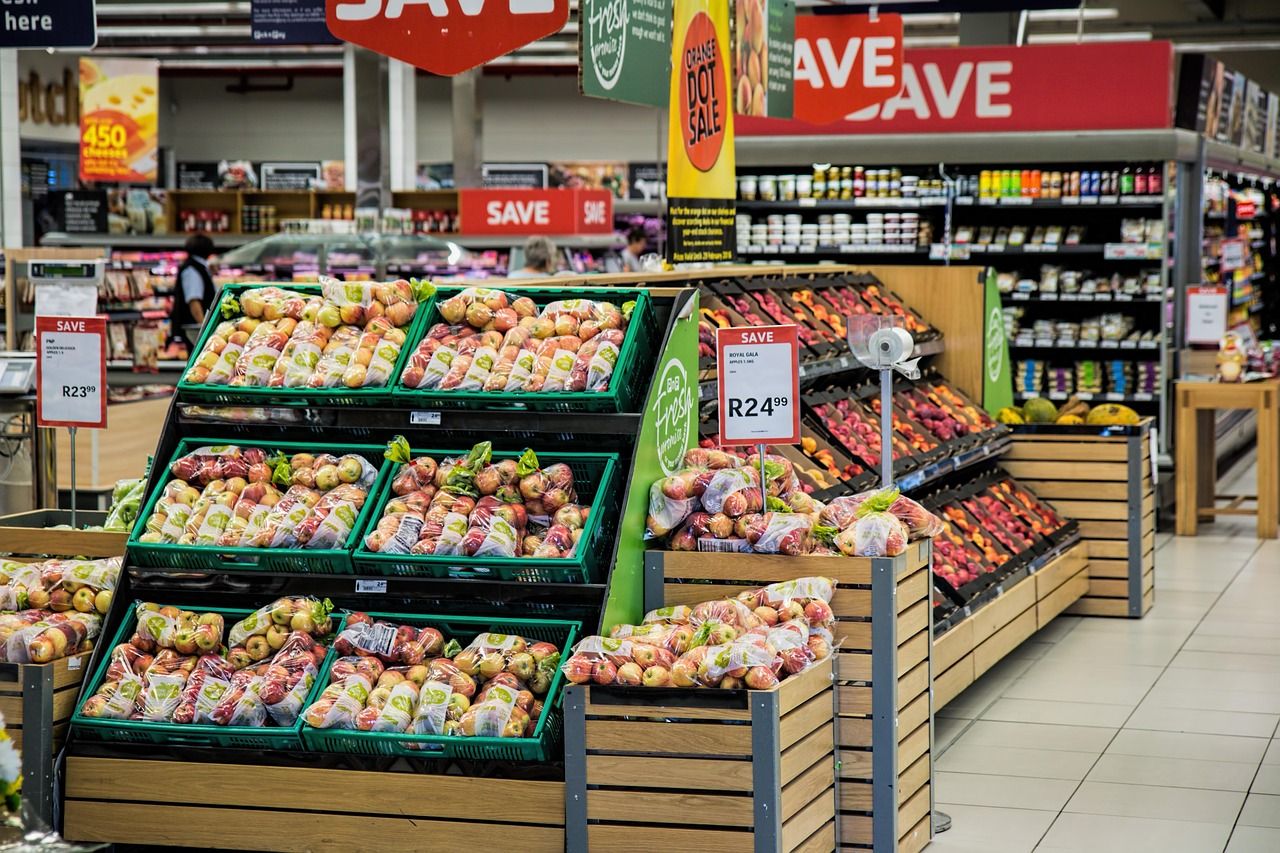
You can still buy breads and cereals, fruits and vegetables, meats, fish and poultry, dairy products, and seeds and plants that grow food. Sales tax cannot be charged on items bought with SNAP. (Indiana FSSA DFR, SNAP) You can also use your Hoosier Works card to buy groceries online for pickup or delivery, but SNAP cannot pay delivery fees. (Indiana FSSA DFR, Online purchasing) For ways to stretch the card further, see 10 ways to cut your grocery bill.
One more change is coming. Beginning November 23, 2026, SNAP benefits that are at least 274 days old, about nine months, will be removed from your EBT account, and removed benefits cannot be replaced. (Indiana FSSA DFR, SNAP)
Check your balance before benefits age past nine months. You can check it at connectebt.com, on your last receipt, or by calling 877-768-5098.
What can make a household ineligible for SNAP?

These rules can affect whether a household is eligible: (Indiana FSSA DFR, SNAP) (Indiana FSSA DFR, SNAP income)
- Income over the gross limit for your household size, or over the net limit. Households with an elderly or disabled member only face the net test.
- Assets over $3,000, or over $4,750 (official limit) if the household has a member who is 60 or older or disabled. (Indiana FSSA DFR, SNAP) Assets include bank accounts, cash, real estate, personal property, and vehicles. Your home and lot, household goods, personal belongings, and life insurance policies do not count. Vehicles used for household transportation do not count, whatever their value.
- Work rules. Applicants must register for work and cooperate with IMPACT, Indiana's SNAP job training program.
- The time limit for able bodied adults without dependents. The 2025 federal law raised the age exemption to 65 and older, limited the caregiver exemption to people caring for a child under 14, and removed the exemptions for homeless people, veterans, and people 24 and younger who aged out of foster care. DFR has put these changes in place.
- Students attending college, a university, or a trade or technical school more than half time must meet an exemption, such as working at least 20 paid hours a week or being responsible for a child under 6. The full list is in section 3210.15.35.05 of DFR's policy manual.
- Other people who may not get benefits include ineligible non-citizens, people previously convicted of SNAP fraud, and boarders. The 2025 law also changed non-citizen eligibility.
Indiana's resource limit now matters for more households. Senate Enrolled Act 1 ended expanded categorical eligibility on July 1, 2026, which restored the federal asset limits for SNAP applicants. (Indiana FSSA, SFY26 Q4 Quarterly Financial Review) DFR's manual now limits categorical eligibility to households where every member is certified for SSI, TANF, or both. (Indiana DFR, Program Policy Manual Chapter 2400) The $4,750 limit took effect October 1, 2026. (Indiana DFR, Program Policy Manual Chapter 3000)
If you disagree with a decision, you can appeal by contacting DFR in person, by phone, or in writing. An appeal is a request for a fair hearing before the Office of Administrative Law Proceedings. (Indiana FSSA DFR, SNAP) Federal rules give you 90 days from the decision to request a fair hearing. (USDA FNA, SNAP Eligibility)
If a work rule or student rule might apply to you, ask your DFR worker at the interview which exemption fits your situation, and answer the work questions on the application fully.
How do you apply for SNAP in Indiana yourself?

- Apply online through the FSSA Benefits Portal at fssabenefits.in.gov. If you do not have a computer or internet access, apply at a local DFR office. (Indiana FSSA DFR, SNAP) For help, call DFR at 800-403-0864, 8:00 a.m. to 4:30 p.m. Eastern. (Indiana FSSA DFR, Online purchasing) (Indiana FSSA DFR, EBT Hoosier Works card)
- List everyone who must be on the application. Married people, children under 22 who live with their parents, and people who eat together are included. (Indiana FSSA DFR, SNAP)
- Complete the interview. An interactive interview is required for every application. (Indiana DFR, Program Policy Manual Chapter 2000) The worker asks about your household, income, resources, and other information needed to decide eligibility. (Indiana FSSA DFR, SNAP) If you miss it, DFR sends a Notice of Missed Interview, and an application is denied on the 30th day if you have not kept or rescheduled the appointment. (Indiana DFR, Program Policy Manual Chapter 2000)
- Send the proof DFR asks for. You get a form listing what is needed and a due date, and applicants are generally given 13 days to provide verifications. (Indiana FSSA DFR, SNAP) (Indiana DFR, Program Policy Manual Chapter 2000)
- Watch your mail for the decision notice, which also lists your appeal rights. Most households hear within 30 days of the application date. (Indiana FSSA DFR, SNAP) If you are found eligible, benefits are based on the date you applied. (USDA FNA, SNAP Eligibility)
If money is very tight, you may get benefits within seven days. DFR uses this track for households not already getting SNAP that have monthly gross income under $150 and less than $100 in cash, checking, and savings in the month of application, or whose monthly housing costs are more than their gross monthly income plus cash, checking, and savings. (Indiana FSSA DFR, SNAP)
If someone else needs to handle the application for you, an applicant or an authorized representative can do the interview and all business related to the application, using DFR's Authorized Representative Form. (Indiana DFR, Program Policy Manual Chapter 2000) DFR also lists SNAP Outreach providers for October 1, 2026, to September 30, 2027: Feeding Indiana's Hungry, Food Finders Food Bank, Gleaners Food Bank, Food Bank of Northwest Indiana, and Eskenazi Health. (Indiana FSSA DFR, SNAP) For what the interview and the waiting period feel like, see what actually happens when you apply for benefits.
You submit your application yourself on the official site. Benefit Bull is free and never files for you.
Once you are approved, DFR requests a Hoosier Works card automatically and mails it to your address, usually within 3 to 5 business days. If you had SNAP before, your benefits go on your old card. (Indiana FSSA DFR, SNAP) The 24 hour EBT line, 877-768-5098, sets up your PIN, checks your balance, reports a lost or stolen card, and plays your last 10 transactions. Address changes and renewals go through DFR at 800-403-0864, not the EBT line. (Indiana FSSA DFR, EBT Hoosier Works card)
Protect the card. Indiana cannot replace SNAP benefits stolen on or after December 21, 2024, through card skimming or cloning. You can lock and unlock your card at connectebt.com/inebtclient, and DFR says card lock is the only way to protect your benefits. State agencies and EBT processors never call or text to ask for your PIN or card number. (Indiana FSSA DFR, SNAP benefit fraud by card skimming)
Submit the application as soon as you can, even before you have every document. Your benefit date is the date you apply, and the worker will tell you what is still needed.
What documents should you have ready?

DFR says you will be asked for: (Indiana FSSA DFR, SNAP)
- Names, dates of birth, and Social Security numbers for everyone living in your home
- Proof of the income and resources of each person in your household
- Proof of any court ordered child support paid by a household member
- Proof of shelter payments: rent or mortgage, and utility costs
- Proof of out of pocket medical expenses for a member who is elderly or disabled, to get the medical deduction
- Dependent child or adult care costs
DFR may ask for other proof depending on your household's situation. (Indiana FSSA DFR, SNAP)
Gather recent pay stubs, your lease or mortgage statement, a recent utility bill, and any child care or medical receipts before you start. Having them ready makes the 13 day verification window easier to meet.
How does SNAP renewal work in Indiana?

Most Indiana SNAP households have a renewal interview every 12 months. That includes households with no elderly or disabled member and elderly or disabled households with earnings. (Indiana DFR, Program Policy Manual Chapter 2200)
- About 45 days before your certification period ends, DFR mails a Notice of Expiration saying an interview is required. About 6 days before the interview, an appointment notice gives the time and method. (Indiana DFR, Program Policy Manual Chapter 2200)
- Complete the interview by the 15th of the last month of your certification period and return the signed Summary of Eligibility. You get 13 days to return verifications. (Indiana DFR, Program Policy Manual Chapter 2200)
- If DFR sends you a SNAP Interim Report at month 6 of your certification period, return it by the due date, the 1st day of that month (or the next business day). (Indiana DFR, Program Policy Manual Chapter 2200)
Households where every member is elderly or disabled and no one has earnings may get a 36 month certification period with no interim report. Federal rules and DFR's public pages use 60 for elderly, but DFR's manual ties this period to members aged 65 or older, so confirm with DFR. (Indiana DFR, Program Policy Manual Chapter 2200) (Indiana DFR, Program Policy Manual Transmittals 2026)
Between renewals, Indiana uses simplified reporting. You must report when your household's monthly income goes over the gross income limit for your household size, by the 10th day of the month after the change. Lottery or gambling winnings of $4,750 or more must be reported within 10 days of the end of the month you received them. (Indiana DFR, Program Policy Manual Chapter 2000)
Open every letter from DFR as soon as it arrives, and keep your address current at 800-403-0864. A missed renewal notice is one of the easiest ways to lose benefits your household may still be eligible for.
What Indiana SNAP numbers should you know?
- $1,729
- Official gross monthly income limit, 1 person, October 2026 to September 2027
- $3,575
- Official gross monthly income limit, 4 people
- Up to $1,023
- Estimated maximum monthly benefit, 4 people
- $3,000
- Official asset limit for most households since broad based categorical eligibility ended July 1, 2026
See which Indiana programs may fit your household, with estimated values and official links.
Sources: (Indiana FSSA DFR, SNAP income) (Indiana FSSA DFR, SNAP) (Indiana FSSA, SFY26 Q4 Quarterly Financial Review)
What this adds up to
Indiana households may qualify for SNAP with gross income up to $3,575 a month for a family of four, and net income up to $2,750, with a maximum benefit for that family of an estimated $1,023 a month. Since July 1, 2026, most households also face a $3,000 asset limit. You apply yourself on the FSSA Benefits Portal or at a local DFR office, complete an interview, and in most cases hear back within 30 days, or within 7 days if your household meets the expedited rules. If your household also needs help with health coverage or heating bills, see the Indiana Medicaid income limits guide and the Indiana Energy Assistance Program guide.
Sources
Every claim above links to the source it came from. Figures checked October 2026. Last updated October 23, 2026.
- Indiana FSSA Division of Family Resources, SNAP income (accessed October 23, 2026)
- Indiana FSSA Division of Family Resources, SNAP (Food Assistance) (accessed October 18, 2026)
- Indiana FSSA, SFY26 Q4 Quarterly Financial Review, Division of Family Resources, presented August 5, 2026 (PDF) (accessed October 18, 2026)
- Indiana FSSA Division of Family Resources, Smart SNAP (accessed October 18, 2026)
- Indiana FSSA Division of Family Resources, EBT (Hoosier Works card) (accessed October 18, 2026)
- Indiana FSSA Division of Family Resources, SNAP benefit fraud by card skimming (accessed October 18, 2026)
- Indiana FSSA Division of Family Resources, Online purchasing now available for SNAP recipients in Indiana (accessed October 18, 2026)
- Indiana DFR Program Policy Manual, Chapter 2000: Application Processing (PDF) (accessed October 18, 2026)
- Indiana DFR Program Policy Manual, Chapter 2200: Continuing Case Processing (PDF) (accessed October 18, 2026)
- Indiana DFR Program Policy Manual, Chapter 2400: Nonfinancial Eligibility Requirements (PDF) (accessed October 18, 2026)
- Indiana DFR Program Policy Manual, Chapter 3000: Eligibility Standards (PDF) (accessed October 18, 2026)
- Indiana DFR, Program Policy Manual Transmittals 2026 (PDF) (accessed October 18, 2026)
- Electronic Code of Federal Regulations, 7 CFR 271.2, Definitions (elderly or disabled member) (accessed October 23, 2026)
- USDA Food and Nutrition Administration, SNAP Eligibility (accessed October 18, 2026)
- USDA Food and Nutrition Administration, SNAP Cost of Living Adjustment (COLA) Information, FY 2027 (accessed October 18, 2026)